 Image credit: Curly Check
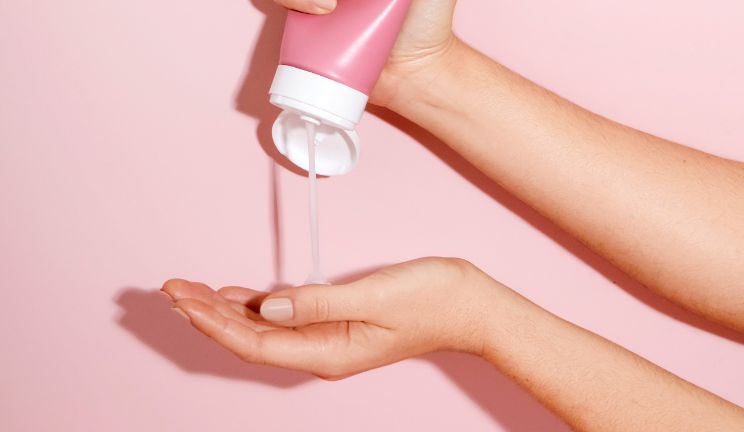
Co-washing (short for conditioner washing) replaces shampoo with a cleansing conditioner that removes dirt and buildup without stripping the hair's natural oils. It's one of the core cleansing methods in the curly girl method, and the gentlest option for hair that tends to be dry, frizzy, or prone to moisture loss.
Whether you're new to the curly girl method or trying to figure out which cleansing approach fits your hair, this guide covers what co-washing is, who it works for, how to do it, and how often to use it.
What Is Co-Washing?
Co-washing means washing your hair with a cleansing conditioner instead of traditional shampoo. Standard shampoos use sulfates to remove oil and buildup, but sulfates also strip the natural moisture that curly and wavy hair depends on. A co-wash uses milder cleansing agents, like cetrimonium chloride or behentrimonium methosulfate, that lift dirt from the scalp without disrupting the hair's moisture balance.
The result is a gentler cleanse that leaves hair more hydrated, less frizzy, and easier to style. Because it preserves the scalp's natural oils, co-washing works especially well for hair types that lose moisture quickly or feel dry and rough after shampooing.
Co-Washing, Low-Poo, and Clarifying: How They Differ
The curly girl method uses three main types of cleansers, each with a different level of strength. Understanding where co-washing fits helps you build a routine that works for your hair.
- Co-wash: the gentlest option. Uses a cleansing conditioner to remove light buildup while preserving moisture. Best for regular use on dry, curly, or coily hair.
- Low-poo: a mild shampoo without strong sulfates. Gives a slightly deeper cleanse than co-washing and works well for hair that needs more thorough cleansing between co-wash days. Our low-poo guide covers how to choose one.
- Clarifying shampoo: the strongest option. Uses sulfates to remove heavy buildup, product residue, or hard water deposits. Not for regular use, but necessary when buildup has accumulated. Our clarifying shampoo guide covers when and how to use it.
Most people who co-wash regularly don't do it exclusively. Alternating with a low-poo every week or two helps prevent buildup while keeping the routine gentle enough for curly and wavy hair.
Who Should Co-Wash (And Who Shouldn't)
Co-washing works well for some hair types and less well for others. Knowing where your hair falls helps you decide whether it belongs in your routine.
Co-washing tends to work well for:
- Dry, curly, or coily hair (types 3 and 4) that loses moisture quickly
- Hair that feels stripped or overly frizzy after washing with shampoo
- Hair that doesn't produce a lot of natural oil at the scalp
- Anyone who washes frequently and wants a gentler option for daily or every-other-day use
Co-washing is less ideal for:
- Wavy hair (type 2), which can go limp or greasy with regular co-washing. Wavy hair often does better with a low-poo as the primary cleanser, with co-washing used occasionally or during particularly dry periods
- Fine hair of any curl type, which tends to lose volume when co-washed frequently
- Hair that produces a lot of oil at the scalp, where a light cleanse often isn't enough to keep things balanced
- Anyone using heavy styling products regularly, since co-washing may not remove residue effectively over time
Your curl pattern is a useful starting point if you're not sure where your hair falls. Coily hair almost always benefits from co-washing. Wavy hair usually does better making it an occasional rather than regular part of the routine.
How To Co-Wash: Step by Step
Getting the technique right matters as much as choosing the right product. Co-washing is less effective when it's rushed, especially at the scalp.
- Wet your hair thoroughly with warm water. Warm water helps open the cuticle and loosen any buildup at the scalp before you apply product.
- Apply a generous amount of co-wash directly to the scalp. Don't start at the ends.
- Massage the scalp with your fingertips using small circular motions for two to three minutes. This is where the actual cleansing happens, so take the time to work through all sections.
- Squeeze the product down through the lengths. Avoid rubbing, which causes frizz.
- Rinse thoroughly, paying close attention to the scalp. Residue left behind is the most common cause of buildup with regular co-washing.
- Follow with your regular conditioner, then apply styling products while hair is still wet.
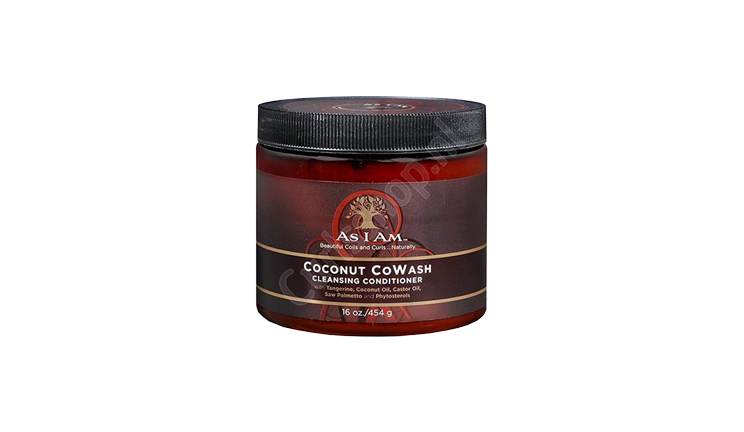
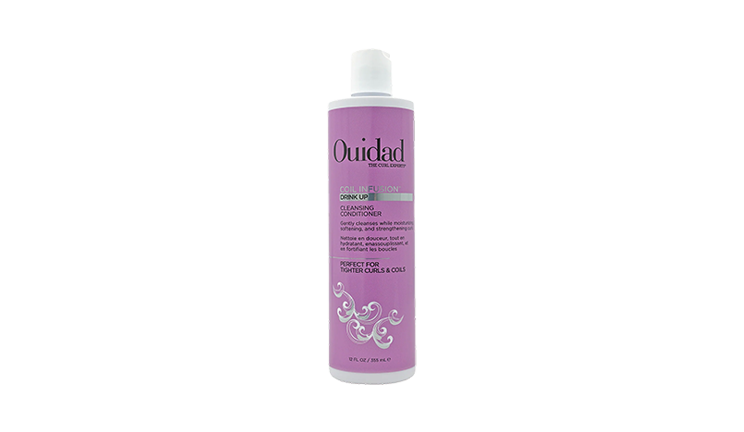
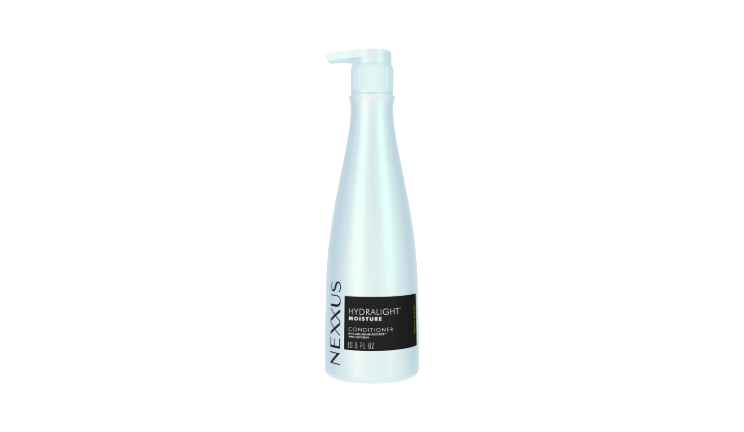
What to look for in a co-wash: not every conditioner works for co-washing. Look for one with gentle cleansing agents in the ingredient list, like cetrimonium chloride or behentrimonium methosulfate. Avoid anything with non-water-soluble silicones, mineral oils, or waxes. Paste the ingredient list into our analyzer to check any product quickly before you commit.
How Often Should You Co-Wash?
Frequency depends on your hair type, scalp, and how much product you use between washes.
- Dry or coily hair (types 3c, 4a, 4b, 4c): co-washing every two to three days, or daily, works for many people. The gentleness of co-washing is a real advantage for hair types that need to wash often without drying out.
- Curly hair (types 3a, 3b): two to three times per week is a common starting point. Alternating with a low-poo once a week helps prevent buildup if you style with heavier products.
- Wavy hair (type 2): if you co-wash at all, once a week at most. A low-poo is usually a better fit as the primary cleanser for type 2 hair.
If your scalp starts to feel itchy or heavy, or your roots look greasy sooner than usual, you're either co-washing too frequently or the product is leaving residue. A single low-poo wash, or a monthly clarify with a clarifying shampoo, usually resets things without disrupting your routine.
Common Questions About Co-Washing
Is co-washing good for wavy hair?
It depends on frequency and hair thickness. Wavy hair is more prone to getting weighed down, so regular co-washing can make it look flat or greasy faster than other types. That said, coarser or drier wavy hair tends to tolerate co-washing better than fine wavy hair. If you have type 2 hair and want to try it, once a week with a lightweight co-wash is a reasonable starting point.
Can co-washing cause buildup?
Yes, if it isn't rinsed out thoroughly, or if the product contains waxes or heavy silicones. Even a good co-wash can cause buildup on oily scalps or when used too frequently. The fix is a low-poo wash or a monthly clarify, not giving up co-washing entirely.
How do I know if my hair needs co-wash or low-poo?
If your hair feels dry, rough, or frizzy after washing, co-washing may help restore moisture. If you notice buildup, an itchy scalp, or limp roots, your hair needs a slightly stronger cleanse. Most people with curly and wavy hair end up using both at different points in their routine rather than choosing one permanently.
Can I co-wash every day?
For dry or coily hair, yes. Daily co-washing is gentle enough for frequent use and can help maintain hydration between styling sessions. For wavy or fine hair, daily use tends to cause buildup or flatten the hair. Adjust based on how your scalp and lengths respond after a week or two of consistent use.
What should I do if co-washing leaves my hair feeling heavy?
Start by rinsing more thoroughly, especially at the scalp. If the heaviness continues, the co-wash may be too rich for your hair type. Try a lighter formula, or alternate co-washing with a low-poo once a week. If you haven't clarified recently, a clarifying wash can clear any accumulated residue and give you a clean baseline to work from.
Do I still need conditioner if I co-wash?
Yes. A co-wash cleanses; a conditioner conditions. Even though co-washes contain conditioning ingredients, they aren't concentrated enough to replace your regular conditioner. Apply your conditioner after rinsing out the co-wash, then style as usual.
Last updated: April 25, 2026