 Foto por
Curly Check
Foto por
Curly CheckCurly and wavy hair loses moisture faster than straight hair. The natural bends in the strand make it harder for scalp oils to travel down the hair shaft, and the cuticle structure tends to be more open, which means moisture escapes quickly. A good conditioner replaces that moisture after every wash and helps keep your curl and wave pattern intact.
Whether you follow the curly girl method or you're just looking for a conditioner that actually works for your hair, this guide covers what ingredients to look for, what to avoid, and a selection of curl-safe picks to try.
What to look for in a conditioner for curly and wavy hair
Not all conditioners are built the same. Many mainstream formulas contain ingredients that create the appearance of softness short-term but cause buildup or dryness over time. Here's how to read the label.
Ingredients that help
A conditioner that works well for curly and wavy hair will usually contain some combination of:
- Aloe vera: hydrates and softens without heaviness
- Glycerin: a humectant that draws moisture into the hair shaft and helps it stay there
- Natural oils: coconut, argan, olive, jojoba, and avocado oil help seal in moisture and add softness
- Plant butters: shea butter, cocoa butter, and mango butter add richness and work especially well for drier or coarser hair
- Proteins: keratin, silk, rice, and wheat protein strengthen the hair shaft and can help define curl and wave pattern
Ingredients to watch out for
Some ingredients work against curly and wavy hair over time, either by coating the strands in a way that blocks moisture or by stripping it. The curly girl method, a hair care approach focused on reducing damage and enhancing natural texture, flags these as categories to avoid:
- Non-water-soluble silicones (dimethicone, amodimethicone, cyclomethicone, trimethicone)
- Waxes and paraffins (petrolatum, paraffinum liquidum, microcrystalline wax)
- Mineral oils
- Drying alcohols (alcohol denat, isopropyl alcohol, SD alcohol 40, propanol)
- Sulfates (sodium lauryl sulfate, sodium laureth sulfate)
For a detailed breakdown of why each of these is worth avoiding, our guide to curly girl method ingredients to avoid covers each category in full.
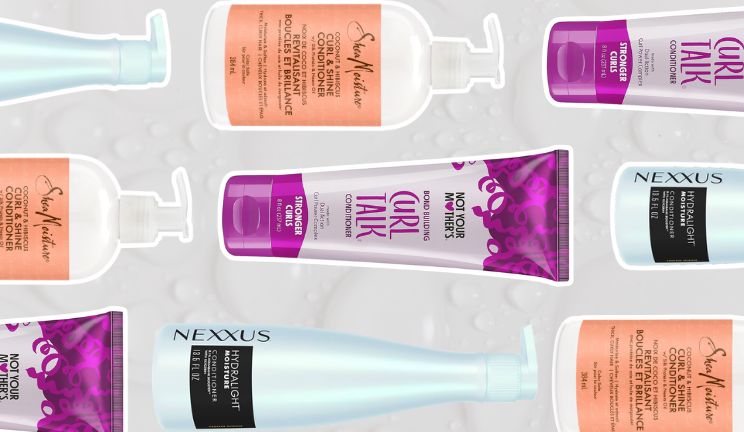
6 Curl-safe conditioners:
- Curl Talk Bond Building Hydrating Conditioner - Not Your Mother's
- Coconut & Hibiscus Curl & Shine Conditioner - SheaMoisture
- Curl Enhancing Conditioner - Moroccanoil
- Hydra-Light Moisturizing Conditioner - Nexxus
- Smooth As Silk Deeper Moisture Conditioner - Giovanni
- Coil Infusion Drink Up Cleansing Conditioner - Ouidad
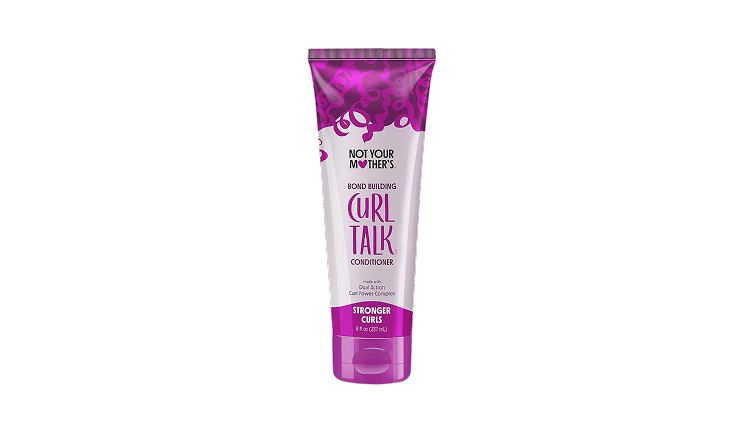
Curl Talk Bond Building Hydrating Conditioner
Not Your Mother'sBond-building conditioner for curly hair. Not Your Mother’s Curl Talk Hydrating Conditioner strengthens, softens, and detangles curls without heaviness. Read more
Precio: $ $ $ $ $
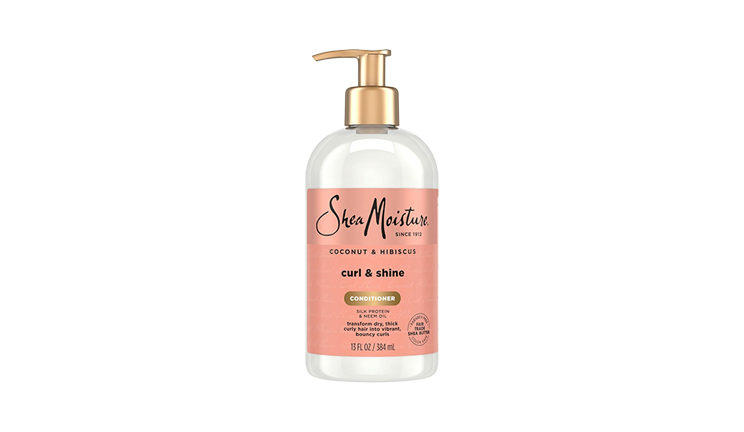
Coconut & Hibiscus Curl & Shine Conditioner
SheaMoistureSheaMoisture Coconut & Hibiscus Curl & Shine Conditioner is a CGM-approved moisturizing conditioner with coconut oil, shea butter, and hibiscus for soft, defined curls. Read more
Precio: $ $ $ $ $
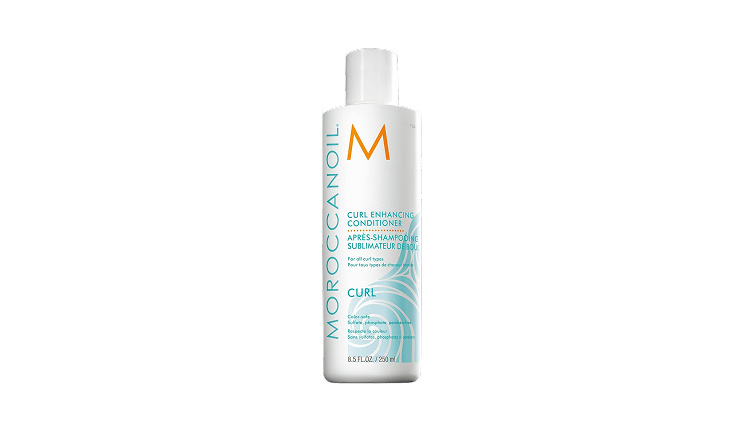
Curl Enhancing Conditioner
MoroccanoilMoisturizing conditioner for curly hair. Moroccanoil Curl Enhancing Conditioner softens, detangles, and enhances curl definition while reducing frizz. Read more
Precio: $ $ $ $ $
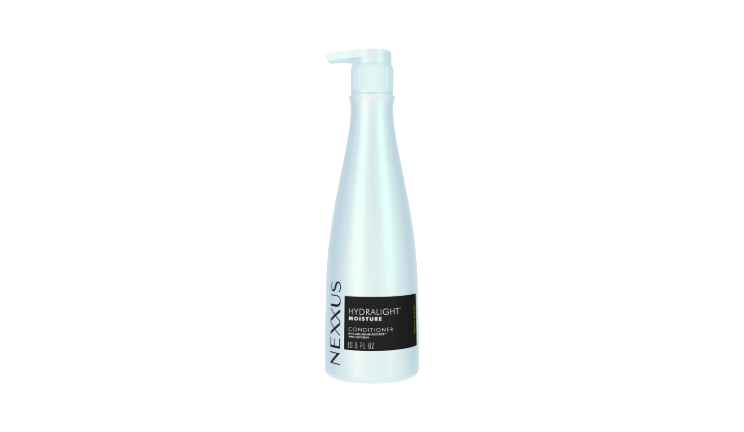
Hydra-Light Moisturizing Conditioner
NexxusLightweight moisturizing conditioner for fine curls. Nexxus Hydra-Light Conditioner hydrates, softens, and detangles without weighing hair down. Read more
Precio: $ $ $ $ $
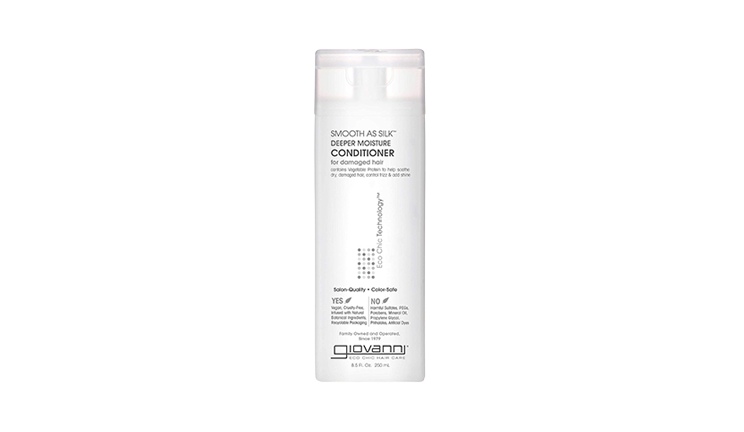
Smooth As Silk Deeper Moisture Conditioner
GiovanniGiovanni Smooth As Silk Deeper Moisture Conditioner is a CGM-approved lightweight conditioner with botanical extracts and soy protein for soft, detangled curls. Read more
Precio: $ $ $ $ $
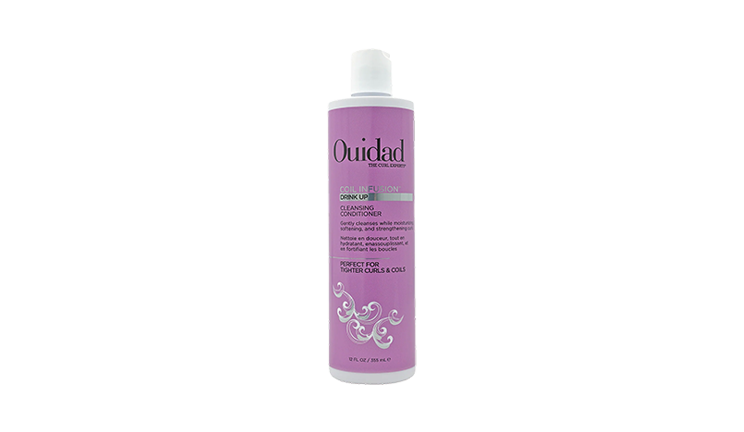
Coil Infusion Drink Up Cleansing Conditioner
OuidadHydrate and detangle your coils with Ouidad Coil Infusion Cleansing Conditioner. This antioxidant-rich co-wash strengthens hair and boosts shine. Read more
Precio: $ $ $ $ $
How to choose the right conditioner for your hair type
The right formula depends on what your hair actually needs. A few questions help narrow it down.
Rinse-out conditioner vs. deep conditioner: what's the difference?
These are two different products with different jobs, and both have a place in a curly or wavy hair routine.
A rinse-out conditioner is what most people think of as regular conditioner. You apply it after washing, leave it on for a couple of minutes, and rinse it out. Its job is to detangle, add surface moisture, and smooth the cuticle. Most people use it every wash day.
A deep conditioner is a more intensive treatment, usually left on for 15 to 30 minutes, sometimes with gentle heat to help absorption. It penetrates more deeply and is better for intensive moisture or protein work. Most people use a deep conditioner once a week or every couple of weeks, not as a replacement for their regular rinse-out conditioner.
The products in this list are all rinse-out conditioners. If your hair is very dry or damaged, adding a weekly deep conditioning treatment on top of your regular conditioner is a good next step.
Protein or moisture: what does your hair need?
This is one of the most common questions about conditioner for curly and wavy hair, and the answer comes down to how your hair currently feels.
- Moisturizing conditioner: adds water-based hydration and keeps hair soft and pliable. A good starting point if your hair feels dry, rough, or frizzy.
- Protein conditioner: helps strengthen the hair shaft and can improve curl and wave definition. Worth trying if your hair feels limp, overly stretchy, or won't hold its pattern.
If your hair stretches a lot before snapping (like a wet noodle), it may need more protein. If it feels stiff, brittle, or breaks easily, too much protein may already be the issue. Most people find that alternating between moisturizing and protein conditioners over time works better than committing to just one.
Hydration and humectants: when they matter
- If your hair feels dry and dull: it needs hydration. Look for water-based conditioners with aloe or hydrolyzed ingredients high on the ingredient list.
- If your hair dries out quickly after washing: it likely needs humectants, ingredients like glycerin and aloe that pull moisture from the air and hold it in the hair shaft.
- If your hair feels weak or breaks easily: it needs nourishment from oils, butters, and proteins.
Still not sure what your hair is missing? A hair porosity test can give you a clearer starting point.
How hair porosity changes what works
Porosity refers to how easily your hair absorbs and holds onto moisture. It's one of the most useful things to know when choosing any hair product.
- Low porosity hair: the cuticle is tightly closed, which makes it harder for moisture to get in. Lightweight, water-based conditioners tend to work best. Heavy butters and oils often sit on top of the hair rather than absorbing, which leads to buildup over time.
- Medium porosity hair: the cuticle absorbs moisture reasonably well and holds it. Most conditioner types work here, which gives you more flexibility.
- High porosity hair: the cuticle absorbs moisture quickly but also loses it just as fast. Richer, creamier formulas with proteins and heavier butters tend to work better because they help fill the gaps in the cuticle and slow moisture loss.
How to apply conditioner to curly and wavy hair
Getting the most out of your conditioner has a lot to do with how you apply it. A few things that help:
- Apply to soaking wet hair right after washing with a gentle low-poo shampoo or a co-wash (co-washing means cleansing with conditioner instead of shampoo, which is gentler on the hair)
- Work it through with your fingers, then use the squish-to-condish technique: cup your hands under running water and squish handfuls of water up into your hair so the conditioner absorbs evenly into each curl and wave
- Detangle gently with your fingers or a wide-tooth comb while the conditioner is in
- Rinse out most of it. Leaving a small amount in works well for drier or high-porosity hair that needs extra moisture
- Apply styling products while your hair is still wet
Common questions about conditioner for curly and wavy hair
Can I condition my hair every day?
It depends on how often you wash. If you co-wash daily or several times a week, you're conditioning every time. If you use shampoo less frequently, conditioning every wash day is still a good idea, even if that's only once or twice a week. The goal is to replace moisture after every cleanse, however often that happens to be.
Can I use regular conditioner as a leave-in?
It's possible, but usually not ideal. Rinse-out conditioners are formulated to be washed out, and most are too heavy to leave in without weighing down your curls or causing buildup over time. Leave-in conditioners are specifically formulated to be lighter and to work alongside your styling products rather than competing with them.
How often should I deep condition?
Once a week is a common starting point for dry or high-porosity hair. For medium-porosity hair in reasonable condition, every two weeks often works fine. Low-porosity hair can be trickier because it resists absorption, so applying a deep conditioner with gentle heat (a shower cap or warm towel) helps it penetrate.
How do I know if a conditioner is curl-safe?
Check the ingredient list for the categories above: non-water-soluble silicones, waxes, mineral oils, drying alcohols, and sulfates. If you're not sure about a specific ingredient, paste the full list into our ingredient analyzer and it will flag anything that doesn't pass CGM standards.
The conditioners in this list have already been checked. You can also browse the conditioner section of our product directory for more curl-safe options.
The right conditioner can make a real difference in how your curls and waves look and feel day to day. Once you find a formula that matches your hair type and porosity, you'll typically see less frizz, better definition, and easier wash days overall.
Last updated: April 18, 2026