 Image credit: Beyzanur K.
Heavy hair that won't hold its shape, products that suddenly stop working, a scalp that feels itchy despite regular washing: these are signs of buildup. Clarifying shampoo solves the problem that regular washing can't: removing accumulated residue from styling products, hard water minerals, and oils that coat the hair shaft over time.
For curly and wavy hair, clarifying isn't optional. The bends in the strand that give curls their shape also make them magnets for buildup. A clarifying shampoo used periodically resets the hair so moisture and styling products can work the way they're supposed to.
What Is A Clarifying Shampoo?
A clarifying shampoo is a deep-cleansing formula designed to remove buildup that regular shampoo leaves behind. Standard shampoos, including gentle low-poo options, clean the surface of the hair and scalp but aren't strong enough to break down layers of styling product, mineral deposits from hard water, or excess oil that accumulate over weeks of washing.
Clarifying shampoos use stronger or more targeted cleansing agents to strip the hair back to a clean baseline. Think of it as a reset: not something you do every wash day, but something you reach for when buildup is getting in the way of your routine.
Signs Your Hair Needs Clarifying
Buildup happens gradually, so it's easy to miss until it's affecting everything. Common signs:
- Curls or waves feel heavy or limp even right after washing
- Products stop working the way they used to: gel isn't holding, leave-in isn't absorbing
- Hair feels coated or waxy rather than soft after conditioning
- Frizz increases despite using the same products that used to work
- Scalp feels itchy or congested, or you notice flakes that aren't from dryness
- Hair takes noticeably longer to dry than usual
If more than two of these apply, a clarifying wash is the right next step.
How To Clarify Curly and Wavy Hair: Step by Step
With a clarifying shampoo
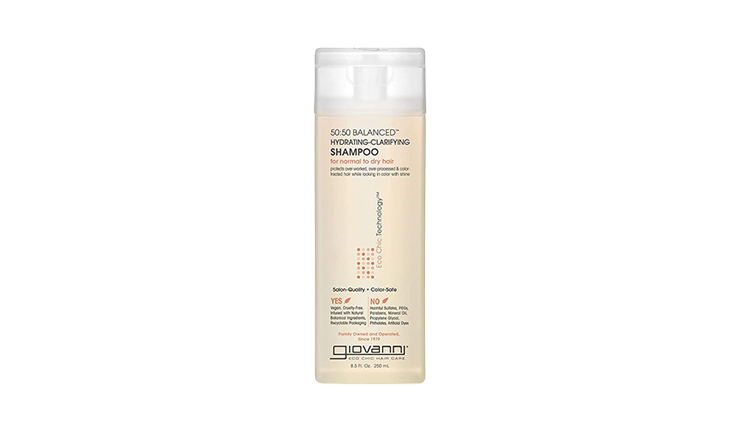
A clarifying shampoo is the most reliable and controlled method. Look for one with effective but not overly harsh cleansing agents. If you follow the curly girl method, still check the ingredient list for non-water-soluble silicones and heavy waxes.
- Wet hair thoroughly with warm water.
- Apply the clarifying shampoo directly to the scalp and work it through the lengths.
- Massage the scalp with your fingertips for two to three minutes. Focus here: this is where most buildup accumulates.
- Rinse completely.
- Follow immediately with a generous amount of conditioner or a deep conditioning treatment before styling.
With apple cider vinegar
Apple cider vinegar (ACV) is a widely used natural alternative that helps dissolve mineral buildup and rebalance scalp pH. It's gentler than most clarifying shampoos and works well for mild buildup between deeper clarifying sessions.
- Mix one to two tablespoons of apple cider vinegar with one cup of water.
- After wetting hair, apply the mixture to the scalp and lengths.
- Massage gently and leave on for three to five minutes.
- Rinse thoroughly and follow with your regular conditioner.
Skip this method if you have a sensitive or irritated scalp. Always dilute properly: undiluted ACV can cause irritation and should never be applied directly.
How Often Should You Clarify?
Frequency depends on how much product you use, your water quality, and your hair type.
- Heavy product users (gels, creams, oils daily): every two to three weeks
- Light product users or co-washers: every four to six weeks
- Hard water areas: more frequent clarifying helps prevent mineral buildup from accumulating between sessions
- Wavy hair (type 2): tends to show buildup faster since the looser pattern means oils and products travel down the strand more easily. Every three to four weeks is a reasonable starting point
- Curly hair (type 3): every four to six weeks works for most
- Coily hair (type 4): less frequent is usually better (every six to eight weeks) since coily hair is naturally drier and clarifying removes more moisture
If your hair feels heavy or products stop working before your scheduled clarifying day, clarify early. Let your hair tell you what it needs rather than following a rigid schedule.
What To Do After Clarifying
Clarifying strips the hair back to a clean baseline, which means moisture goes with the buildup. Skipping the conditioning step after clarifying is the most common mistake.
Immediately after rinsing out the clarifying shampoo:
- Apply a generous amount of conditioner and leave it on for five to ten minutes before rinsing. If your hair is very dry or it's been a long time since your last clarify, a deep conditioning treatment works even better.
- Follow with your leave-in conditioner and styling products while hair is still wet.
- Avoid heat styling on the same day if possible: freshly clarified hair benefits from air drying or diffusing on low.
Clarifying and deep conditioning work as a pair. One resets; the other restores.
Common Questions About Clarifying Curly Hair
What's the difference between a clarifying shampoo and a final wash?
A final wash is a one-time deep cleanse done before starting the curly girl method, using a strong sulfate shampoo to remove silicone buildup accumulated from years of conventional products. You only do it once at the start. Clarifying is an ongoing part of your regular routine, done every few weeks to prevent buildup from accumulating over time. The two serve different purposes at different stages of your hair care journey.
How do I know if a clarifying shampoo is curl-safe?
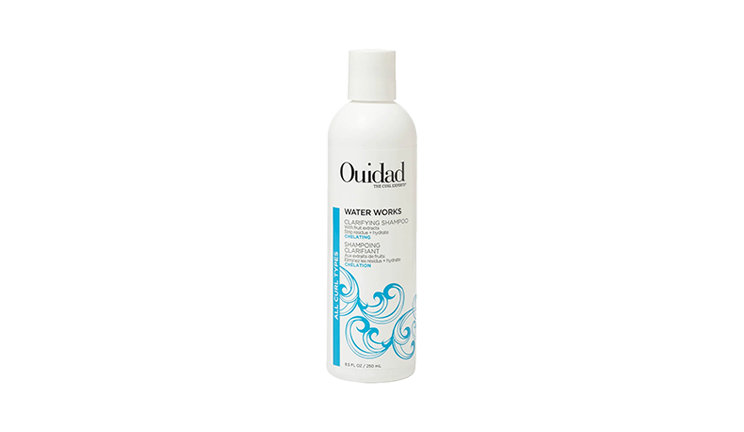
Check the ingredient list for non-water-soluble silicones and heavy waxes. Beyond that, some clarifying shampoos use stronger surfactants than others. If your hair is on the drier side, look for a gentler formula. Paste any ingredient list into our analyzer to check before you commit.
Can I use apple cider vinegar every wash?
No. ACV is mild but still strips moisture when used too frequently. It works well as an occasional rinse between clarifying shampoo sessions, not as a regular cleanser. Overuse can dry out the scalp and hair over time.
Can clarifying shampoo damage curly hair?
Used at the right frequency, no. Used too often, it can leave hair dry and frizzy by stripping natural oils along with the buildup. Stick to a frequency that matches your hair type and product habits, and always follow with conditioner: that step is not optional.
Is clarifying the same as co-washing?
No. Co-washing is a gentle cleanse that preserves moisture and is part of regular wash-day rotation. Clarifying is a periodic deep cleanse specifically to remove accumulated buildup. They do opposite things: co-washing maintains moisture; clarifying resets the hair when too much has built up.
Last updated: May 05, 2026