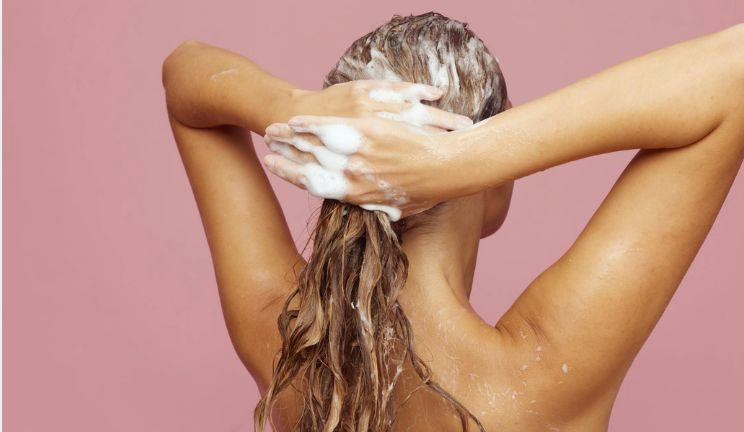
 Image credit: Hairlust Official
Wavy hair sits between straight and curly, which means it doesn't always fit neatly into advice written for either. Too much product and the waves disappear. Too little and frizz takes over. Most curly hair routines are too heavy for wavy hair; most straight hair routines skip the techniques that actually bring out the wave.
A wavy hair routine works with the specific way wavy hair behaves: how it dries, what weighs it down, and how to keep the S-shape intact from wash day through the rest of the week.
What Makes Wavy Hair Different
Wavy hair (types 2a, 2b, and 2c) has a natural S-shape, but unlike curly or coily hair, it tends to lay relatively flat at the scalp and relies more on technique than product richness to hold its shape.
The main challenges wavy hair faces:
- Frizz: Wavy hair is highly sensitive to humidity. Without the right products and application technique, the S-shape breaks down into frizz rather than definition.
- Weight: The cuticle structure of wavy hair is flatter than in curly or coily hair, which means natural scalp oils travel down the strand more easily. Rich products (heavy creams, thick butters, heavy oils) flatten waves quickly.
- Loss of definition: Touching hair while it dries, brushing when dry, or sleeping without protection all disrupt the wave pattern. Technique matters as much as product choice.
Know Your Wave Type Before You Start
Your wave subtype affects which products to use and how often to wash. Here's a quick reference:
- 2a: The loosest wave: a gentle S-shape that appears mainly at the mid-lengths and ends. Fine texture, low volume. The most likely type to go straight with the wrong products or without proper technique.
- 2b: A more defined S-pattern that starts closer to the roots. Medium texture, more frizz-prone than 2a, but holds its shape reasonably well with the right approach.
- 2c: A strong, defined wave that starts at the roots and sometimes forms loose spirals. Thicker and fuller than 2a or 2b, and the most frizz-prone of the three.
For a full breakdown of each type, including how to identify yours, see our guide to curl patterns.
The key takeaway for your routine: 2a hair needs the lightest products. 2c can tolerate slightly richer formulas. 2b sits in between.
Wash Day Routine: Step by Step
Wash day is where the wave pattern is set. Everything from how you cleanse to how you dry affects how defined and frizz-free your waves look.
1. Cleanse with a gentle, lightweight shampoo
Wavy hair generally does well with a low-poo shampoo: a gentle formula without strong sulfates that cleanses without stripping moisture. Most 2a and 2b hair benefits from washing every two to three days. 2c can usually go slightly longer.
Co-washing (washing with conditioner instead of shampoo) works for some 2c hair, but for most wavy types it doesn't cleanse the scalp thoroughly enough and leads to buildup over time.
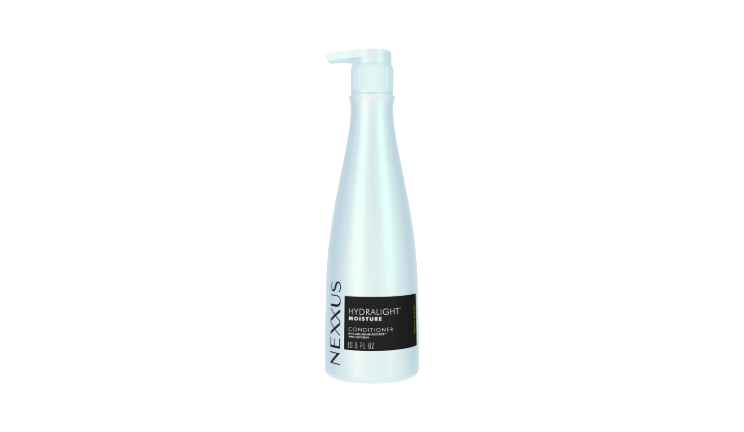
2. Condition with a lightweight formula
Apply conditioner to soaking wet hair from mid-length to ends. Use the squish-to-condish technique: cup handfuls of water under your hair and gently squeeze upward so the conditioner saturates each section and the wave starts to clump naturally. Detangle with your fingers or a wide-tooth comb while the conditioner is in, then rinse most of it out.
For wavy hair, a lightweight conditioner works better than a rich, creamy formula. Heavy conditioners leave residue that flattens the wave before styling even begins.
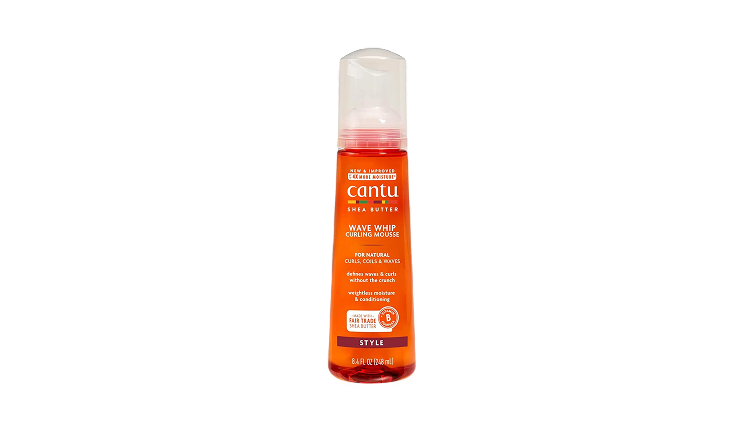
3. Apply styling products to soaking wet hair
Don't towel dry before applying product. The wave pattern forms as hair dries, and product applied to soaking wet hair distributes more evenly and helps the S-shape hold.
For most wavy hair, a lightweight mousse or a small amount of gel is enough. Apply in sections, scrunch upward from ends to roots, and avoid smoothing downward, which disrupts the wave clumps. Start with a golf-ball-sized amount of mousse and adjust from there. Less product than you think you need is usually the right amount for 2a and 2b hair.
A lightweight leave-in conditioner can work for 2c hair or 2b hair in dry climates, applied before the mousse or gel.
4. Dry without touching
How you dry is just as important as what you applied.
- Air drying: Let hair dry completely without touching it. Scrunching or adjusting mid-dry creates frizz and disrupts the wave clumps. Once hair is fully dry, scrunch out the crunch: gently squeeze sections upward to soften any stiffness left by gel or mousse without losing definition.
- Diffusing: Faster than air drying and often gives more volume and definition. Use low heat and low speed. Cup sections of hair into the diffuser bowl rather than pressing the diffuser flat against your head. Stop when hair is about 80% dry and let it finish air drying.
Between Wash Days: Refreshing Your Waves
Wavy hair doesn't need to be washed every day to look defined. A good refresh routine extends wash day results by two to three days.
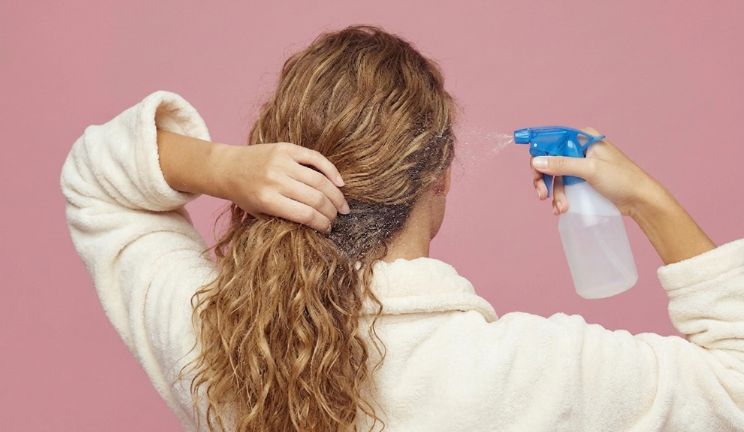
Day 2 and 3 refresh:
- Dampen hair with water using a spray bottle, or lightly wet your hands and scrunch water into sections. You want hair damp enough to reactivate the product already in it, not soaking wet.
- Scrunch in a small amount of mousse or gel if waves need more hold.
- Let air dry or diffuse briefly on low heat.
Overnight protection:
Sleeping directly on hair is one of the fastest ways to flatten wavy hair. Two things that help:
- Pineapple: Loosely gather hair at the very top of your head and secure with a soft scrunchie before bed. This keeps the lengths from getting crushed against the pillow overnight.
- Silk or satin pillowcase: Cotton creates friction that roughens the cuticle and frizzes waves. Silk and satin reduce that friction significantly.
Choosing Products For Wavy Hair
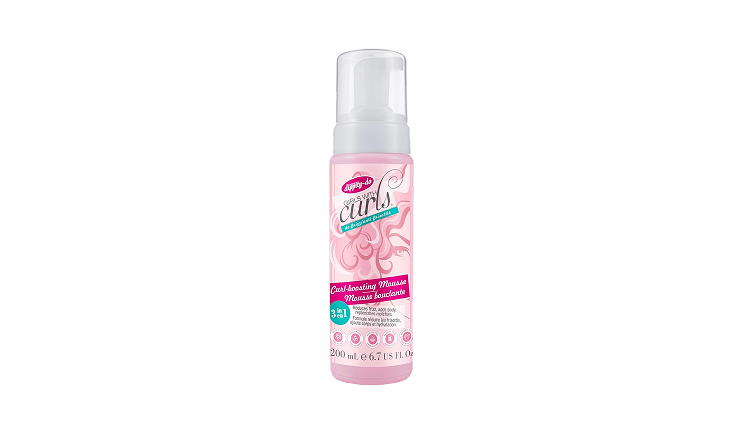
The single most important rule for wavy hair products: keep it lightweight. Products that work well for dry coily hair (rich butters, heavy creams, thick leave-ins) will flatten wavy hair consistently.
What to look for:
- Water-based formulas with lightweight humectants like glycerin and aloe vera
- Mousse or light-hold gel for styling
- Lightweight leave-in conditioner for 2c hair, or 2b in very dry conditions
What to avoid:
- Non-water-soluble silicones (dimethicone, amodimethicone, cyclomethicone): coat the strand and cause buildup that weighs waves down over time
- Heavy oils and butters applied to the lengths: too rich for most wavy hair and prone to causing buildup
- Strong sulfates as a regular cleanser: strip too much moisture and lead to frizz
If you're unsure whether a specific product will work for your hair, paste the ingredient list into our analyzer. It flags ingredients known to cause buildup or dryness, which is especially useful when building a wavy hair routine for the first time.
Common Questions About Wavy Hair Routines
Can wavy hair follow the curly girl method?
Yes, with adjustments. The core principles of the curly girl method (avoiding sulfates, non-water-soluble silicones, and heat damage) apply to wavy hair. The products often need to be lighter. Many deep conditioners and rich stylers recommended for curly or coily hair are too heavy for type 2 hair. Think of the curly girl method as the framework and your wave type as the guide for how rich or lightweight to go within it.
How often should I wash wavy hair?
Most wavy hair does well washed every two to three days. 2a hair, which tends to be finer and flatter, often benefits from washing a little more frequently. 2c, which is denser and drier, can sometimes go four days. Let your scalp and roots guide the frequency: if hair looks flat or greasy before day three, wash more often.
Why aren't my waves defined even with product?
The most common causes: product applied to hair that's too dry (it should be soaking wet when you apply), too much touching or scrunching while drying, or products that are too heavy for your wave type. Try applying immediately after rinsing out conditioner, scrunching rather than smoothing, and leaving hair completely alone until it's fully dry.
Does my haircut affect how my waves look?
Yes. Length and layering change how much weight pulls on your waves, so the same routine can look flatter or more defined depending on the cut. Ask your stylist to cut with your natural wave pattern, not against it. If you're considering a short style like a taper or fade, Taper Trends has a guide to a low taper fade for wavy hair that walks through how to ask for it. Whatever the cut, the routine above stays the same, and lightweight products still matter most.
Does wavy hair need deep conditioning?
Less frequently than curly or coily hair, but it still helps. Wavy hair that feels dry, rough, or breaks easily can benefit from a deep conditioning treatment every two to four weeks. Keep it lightweight and avoid leaving it on longer than directed, since over-conditioning can make wavy hair limp and difficult to style.
Why does humidity make my waves frizzy?
Wavy hair is particularly sensitive to humidity because the cuticle layer is less tightly coiled than in curly hair, making it easier for moisture from the air to swell individual strands unevenly. A gel or mousse with hold helps seal the cuticle and creates a barrier. Applying product to thoroughly wet hair (not damp, soaking wet) also reduces the frizz that forms when dry hair absorbs humidity from the air.
Last updated: April 20, 2026